|
Archives 12/30/01, 1/1/02, 1/2/02, 1/3/02, 1/4/02, 1/7/02, 1/8/02, 1/09/02, 1/10/02, 1/11/02, 1/14/02, 1/15/02, 1/16/02, 1/17/02, 1/18/02, 1/22/02, 1/23/02, 1/24/02, 1/25/02, 1/28/02, 1/29/02, 1/30/02, 1/31/02, 2/1/02, 2/4/02, 2/5/02, 2/06/02, 2/7/02, 2/9/02, 2/11/02, 2/12/02, 2/13/02, 2/14/02, 2/16/02, 2/19/02, 2/20/02, 2/21/02, 2/23/02, 2/25/02, 2/26/02, 2/27/02, 2/28/02, 3/1/02, 3/04/02, 3/05/02, 3/06/02, 3/7/02, 3/10/02,3/11/02, 3/12/02, 3/13/02, 3/14/02, 3/15/02, 3/18/02, 3/19/02, 3/20/02, 3/21/02, 3/22/02, 3/25/02, 3/26/02, 3/28/02, 3/30/02 4/1/02, 4/2/02, 4/3/02, 4/4/02, 4/6/02, 4/8/02, 4/9/02, 4/10/02, 4/11/02, 4/13/02, 4/15/02, 4/16/02, 4/17/02, 4/18/02, 4/20/02, 4/22/02, 4/23/02,4/24/02,4/25/02, 4/26/02, 4/27/02, 4/29/02, 4/30/02 5/01/02, 5/2/02, 5/4/02, 5/6/02, 5/07/02, 5/8/02, 5/09/02, 5/10/02, 5/13/02, 5/14/02, 5/15/02, 5/16/02, 5/17/02, 5/20/02, 5/21/02, 5/22/02, 5/23/02, 5/24/02, 5/28/02, 5/29/02, 5/30/02 6/01/02, 6/3/02, 6/4/02, 6/5/02, 6/6/02, 6/7/02, 6/10/02, 6/11/02, 6/12/02, 6/13/02, 6/14/02, 6/17/02, 6/18/02, 6/19/02, 6/20/02, 6/22/02, 6/24/02, 6/25/02, 6/26/02, 6/27/02, 6/30/02 7/1/02, 7/4/02, 7/5/02, 7/11/02, 7/14/02, 7/15/02, 7/16/02, 7/17/02, 7/18/02, 7/19/02, 7/22/02, 7/23/02, 7/24/02, 7/25/02, 7/27/02, 7/29/02, 7/30/02 8/1/02, 8/3/02, 8/5/02, 8/6/02, 8/7/02, 8/8/02, 8/10/02, 8/12/02, 8/13/02, 8/14/02, 8/15/02, 8/16/02, 8/19/02, 8/20/02, 8/21/02, 8/22/02, 8/23/02, 8/26/02, 8/27/02, 8/28/02, 8/29/02, 8/30/02 9/3/02, 9/4/02, 9/5/02. 9/6/02, 9/9/02, 9/10/02, 9/11/02, 9/12/02, 9/13/02, 9/16/02, 9/17/02, 9/18/02, 9/19/02, 9/20/02, 9/23/02, 9/24/02, 9/25/02, 9/26/02, 9/27/02, 9/30/02 10/1/02, 10/2/02, 10/3/02, 10/4/02, 10/7/02, 10/8/02, 10/9/02, 10/10/02, 10/11/02, 10/14/02, 10/15/02, 10/16/02, 10/17/02, 10/18/02, 10/21/02, 10/22/02, 10/23/02, 10/24/02, 10/25/02, 10/28/02, 10/29/02, 10/30/02, 10/31/02 11/1/02, 11/4/02, 11/5/02, 11/6/02, 11/7/02, 11/8/02, 11/11/02, 11/12/02, 11/13/02, 11/14/02, 11/15/02, 11/18/02, 11/19/02, 11/20/02, 11/21/02, 11/22/02, 11/25/02, 11/26/02, 11/27/02, 11/29/02 12/2/02,
12/3/02, 12/4/02,
12/5/02 1/1/03, 1/2/03, 1/03/03, 1/6/03, 1/7/03, 1/8/03, 1/9/03, 1/10/03, 1/13/03, 1/14/03, 1/15/03, 1/16/03, 1/17/03, 1/21/03, 1/22/03, 1/23/03, 1/24/03, 1/27/03, 1/28/03, 1/29/03, 1/30/03, 1/31/03 2/3/03, 2/4/03, 2/5/03, 2/6/03, 2/7/03, 2/10/03, 2/11/03, 2/12/03, 2/13/03, 2/14/03, 2/18/03, 2/19/03, 2/20/03
 Doc's view of the Street. |
The Anals of Stock ProctologyPublished weeknights by
8:30PM Happy Acres, Florida Time The American
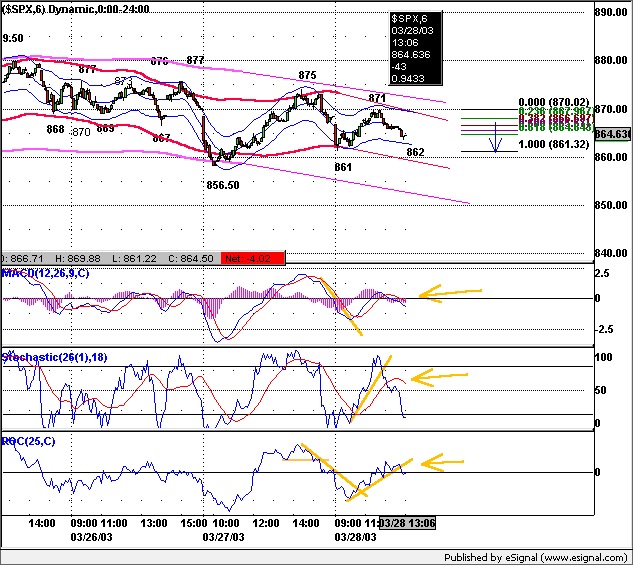
Academy of Stock Proctology and Is your subscription up for renewal? If you want to renew, do nothing, unless your credit card has expired. Please be sure your credit card info is current. If your credit card has expired, you must enter the new expiration date in your Paypal account in order for your subscription to be processed. If you subscribed via Paypal, your subscription will be renewed for one year on the 90 day anniversary of your sign-up and your credit card will be charged. If you want to cancel, use the button at the bottom of the page. This applies only if you subscribed through Paypal. Mailed-in subscriptions are for 1 year. If you subscribed by prior contribution, I will send you a notice before your subscription expires. If you have any questions, see the subscription page and FAQ's. If you can't find the answer, email me. Big Fine Print Doc does not make trading recommendations. This update reports time cycle estimates and centered moving average projections based on the Hurst cycle analysis method, and other techniques. This publication is for entertainment and educational purposes only. Doc assumes no responsibility for the accuracy or inaccuracy of the estimates and projections presented. The market may or may not meet the projections. Stoolies should thoroughly familiarize themselves with the methodology before trading based on this method. Those who do not have the time or inclination to develop a trading strategy based on testing and research should not trade. Trade at your own risk. Yadda yadda. How's your motha? More disclaimers at the bottom of the page. Intraday Updates 2/24/03 1:00 PM Looks like Friday was the 6-7 week cycle blowoff top. Straight down from the open today. SPX 1 day cmaps have been hit, but going out to 2 and 3 day cycles, lower lows are due tomorrow and beyond. Extended 1 day cycle low appears to be forming now. Upside looks limited to a mild swup. Decline looks like it will have staying power. Expect the cmaps to continue to ratchet lower for 2-3 days. Chart below. Get regular updates throughout the day in Stooltrading. 9:15 AM Fucutures closed lower this morning. The overnight cycle was at a low at the pre-market close, at 845 on the SPoos. The downside cmap was 844, which was hit earlier. That's where we'll look for the market to open. Cycle timing will be tricky again, but Doc's tentative expectation would be for a 1 day cycle high in the first hour. therefore, the expectation would be for a move up after the lower opening, then a high and move lower for most of the day. The 3 day cycle is expected to top out today. Intraday Friday - It was another nightmarish option expiration day as shorts were squeezed mercilessly by the unwinding of put hedges. Doc thinks that market makers bought closing puts, and bought the underlying short stock hedge forcing the market up and squeezing public shorts. If he's right, the whole thing will be revised Monday. The only interruption to the buying came on the news of the Staten Island fuel storage depot explosion. Had that not occurred the price pattern would have been straight up to the intraday high at 2:30. At that point most of the options dirty work was done, and the market drifted down from there. The 3 day cycle high was due, and upside camps for that cycle were hit. Cycles did not play a role in the intraday trading pattern. They usually don't during scam week, especially the last day. The same may be true on Monday. However, benchmarking from Friday's pattern, Doc suspects the 1 day cycle high will be in within the first hour and a half on Monday. Pre Market Update at 9:15 AM NY time. Get StoolieSignal Special offer here only! The cycle map below is en estimate of how the market might behave over the next few hours. Should the pattern be broken, the map should be redrawn to fit the actual. Cmaps and times shown are guidelines only. Cycles vary in wavelength and amplitude. Directional changes within an hour of the expected turn and a few points of the cmap should be respected. The indicators rule. Times and prices are the projected cycle highs and lows with cmaps. 5-8 Day Cycle______ 2-3 Day Cycle_______ 5 Hr-1 Day Cycle
Friday's
Markets Churn Baby Churn 2/21/03 Back in early January, Doc began to focus more on the 6-7 week cycle. He noticed at that time that the amplitude (wave height) of this cycle was growing, with more pronounced trading swings since the third quarter of 2001. This was not all that surprising. Back in the 1970's when Doc first started studying cycles, as well as during other periods, the 6-7 week cycle was the dominant trading cycle, as opposed to the 10-13 week cycle in recent years. Hurst's Principle of Variance holds that cycles morph. They shift in both duration and wave height. The longer the wave period (frequency), usually, the bigger the amplitude. Hurst called this the Principle of Proportionality. There are times when a longer wave subsides, and a shorter wave will either maintain the same amplitude or grow. This is how the 6-7 week cycle can come to dominate the 10-13 week cycle. Instead of one smooth 13 week wave, you'll see two 6-7 week waves, or a series of them. Doc's theory has been that there are different groups of traders and investors whose internal clocks, or other factors tend to make them prefer different holding periods, but consistent within each group. This is what may cause cycles. We stoolies know from watching the activities of other traders and investors that this is true. Some of us have a holding period of a day, or less, some a month, some three months. Then there are investors who turn over every 6 months and so, one year, and longer. Some never sell. It is the balance between long term investment buying, and the constant undercurrent of selling, plus new supply, which drives the secular trend. What causes one cycle to become dominant and then fade is a mystery, but, perhaps, for example, a large number of the10-13 week cycle people may get burned out, more so than shorter term traders and longer term holders. The 10-13 week cycle wave would then recede. At that point the 6-7 week cycle becomes more visible. As the 6-7 week cycle pattern became more clear, in early January Doc felt confident that the 6-7 week cycle would correctly signal the top of the market, and it did. However, he felt at that time that the 10-13 week cycle was still working and that the market's next important low would come at the 10-13 week cycle juncture in late March or early April, and not the 6-7 week low, which was last week. So while Doc was looking for the 6-7 week cycle low, and the indicators told us when it had arrived, he continued to focus on the 10-13 week cycle. Should the focus have been strictly on the 6-7 week cycle? Should all shorts have been covered at the 6-7 week cycle low and should we cut and run now? It's too early to say for sure. Over the past week indications have shifted back and forth between a forecast of a shallow trough into the 10-13 week cycle, or a more serious decline. 10-13 week cycle cmaps have wavered between 750 and 820, dropping as low as 710-750 on February 13. Currently the cmap is at 800. The next couple of days are critical. If the market continues to rally a bit more or hold its ground, it's likely that the market will go into a shallow trough, and a trading range that could last for months. (Oh no, not again!) We are starting to see the kind of cycle opposition in the stock market, that has kept the bond market locked in a tiny range day in and day out. If this comes to pass in the stock market, traders are either going to get chewed up, or bored to death. Scalping and a very short term focus will be the order of the day. Options buyers will get wiped out as time premiums erode while stock prices go nowhere. Option writers, typically market makers, will simply sit back and collect time premium. It will be a brutal environment where prices simply churn back and forth in a narrow range, while trending almost imperceptibly lower. The alternate scenario of a more sustained decline lasting 3-4 weeks would require a quick selloff in the first half of next week. In that case the market would make a 6-7 week cycle top on Monday between 853 and 863, then begin to decline rapidly. A big rally is not in the cards. There are simply too many crosscurrents. When indicators of differing periods start heading in divergent directions, that is a sign of market confusion. The players cannot make up their minds and the market simply whips back and forth in spasms of indecision and uncertainty. That looks like the most likely scenario. What happens early next week should give us a better idea. The forecast path below suggests a 6-7 week cycle (green) top early next week with the 10-13 week cycle (red) still heading lower into mid March. However, the angle of descent could be flatter, as discussed above. This is where the uncertainly lies. The probability of an extended rally is low.
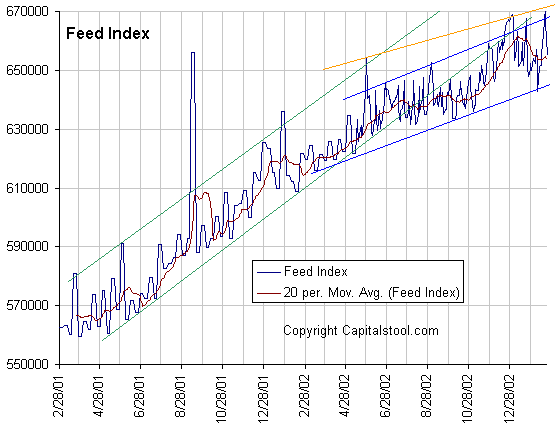
Fed Turdsday Releases Monetary Review Doc's Pooper Scooper. Be a Johnny Applestool! Help spread the Stool! Feel free to repost snippets from the Anals on message boards around the web. Just give a link back! Many tanks - Doc The Feed added $4.5 billion in 13 day repos Friday, resulting in a net drain of $5.75 billion. $10.25 billion in overnight repos expired. There are no expirations Monday. Snowzilla is gone with the melting snow, just as Doc thought! It was not meant as a market jamming device. Total Feed remains smack in the middle of the year long 6% growth channel. It is at exactly the same level it reached three months ago. Three months, zero growth. Hmmmm. Where's the reflation? Right now Al is still trying to keep the inflation cat in the bag. Too much Feed and the gig is up. However, with no expirations scheduled until the 28 day rollover on Thursday, the bias will be to the upside this week unless they do a surprise reverse repo. Two
trends are evident on the Feed Index, which is the total Fed holdings of
loans and securities. One is the 10% growth trend beginning in May of
2001. The blue channel going back to last December suggests a 5% growth rate. Look at the 4 week moving
average (brown line) and compare it with the slope of the two larger
channels for an indication for whether the slope of short term growth is
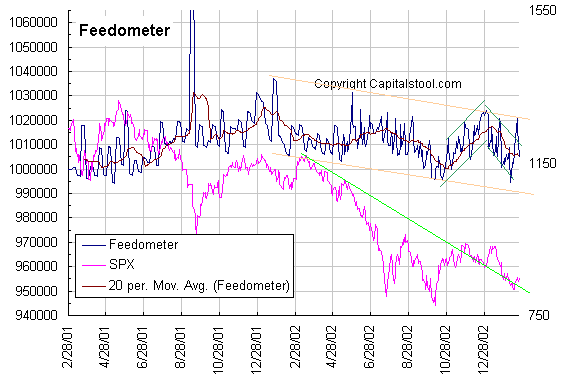
slower or faster than the 2 longer term trends. The longer term in the Feedometer trend remains down, suggesting that Al is less inclined to pump excess Feed into the system in order to jam the markets. Feed alone is insufficient to support the market. Foreign capital flows had been bearish, as indicated by Uncle Buck, but he has stabilized, so capital flight is not as much of a problem at the moment. As tax day nears, seasonal 401k flows will keep the mutual fun portfolio sphincters from pulling the plug. All in all, the liquidity situation is not that bearish. At least not enough to cause a wipeout. The
Feedometer theoretically measures excess Feed available for bond or stock
market jamming. Al selects a trend level he feels is needed to reflatulate
the economy. The Feedometer measures the difference between the apparent
trend target, and actual day to day Feeding (Fastow Feedometer), as well
as a four week moving average (Slowmo Feedometer). A break above the gold trendline might indicate a more aggressive jamming policy. 10 Year Bonds sold off Friday and yields
were up. Cycle and momentum indicators remain mixed and there is still no
sign of a sustained move in any direction but flat. Downside cmaps have
risen to 3.75-3.85. Long Term-
The 6 month and 10-12 month cycles will continue to oppose each other as the
10-12 month cycle tops out and the 6 month bottoms. This will lead to a months
long extension of the trading range as the long waves bottom. They should begin
to turn up after the next 10-12 month cycle low in the second half of
2003. Dow Inflatables- The
13 day cycle high was due on Friday. The cmap is 8080. With the 6-7
week cycle dominant, the 10-13 week cycle indicators will begin to cycle
more rapidly, lagging the 6-7 week indicator. The crossover in that
indicator can be ignored, with both the 13 day and 4-7 week composite
indicators looking toppy. Both the blue line and red smoother would need
to turn up to signal a cycle upturn. If the 13 day and 4-7 week indicators
turn down in tandem while the 10-13 remains at this level, a decline would
ensue. If the indicators head in opposite directions, look for
churning. All of Doc's daily cycle charts
are powered by METASTOCK Portfolio Sphincters Index (SPX) and Sentiment Cycle Chart Short Term Cycles The short cycle oscillator is in the distribution (aka overbought) zone signaling that top formation is beginning in the 6-7 week cycle. The 6-7 week cycle swup has 2-7 days to go. Upside cmaps were hit but are set for a retest. Does Fronkenshteen live? The 6-7 week cycle oscillator on the chart below has begun to slow its rate of ascent at a level where it has topped out 3 times previously in the last year. The 17 day rate of change paused just below the zero line. These two indications suggest that the advance isn't over but is running out of steam. It usually takes several days of distribution to reverse momentum indicators in this situation. As long as the indicators are up, it's wise to be cautious. That means using reasonable stops to protect against unpleasant surprises in the event that the rally gets a second wind. 10-13 Week Cycle Roughly 3 to 6 weeks should remain in the 10-13 week cycle down phase, whether it's a shallow trough or resumption of a steeper decline. The cycle oscillators upticked but the 29 day ROC is still in a mild downtrend. If all indicators for this cycle were to turn up then we'd need to reconsider this cycle's phase. More likely, the indicators will bounce around at a low level while the cycle continues to slowly downtrend. This is a judgment call involving looking not just at the indicators but the price chart as a whole. The preliminary downside cmap for this cycle has risen to 800. That is still subject to change, depending in particular on what happens over the next 2-3 days. The early part of this week is an infartation point where Doc thinks the course will be set for the next 3-6 weeks. Sentiment VIX declined. (down on the inverted scale chart). In the context of the current cycle, the reading is approaching short term bearish, but isn't there yet. Touching the inner channel line, then reversing, indicates a short term top, or confirms a downtrend. The next significant intermediate cycle low should reach at least 50-60. A reading in the low 30's would be a renewal of the intermediate sell signal.
The 17 day rate of change is a proxy for the
6-7 week cycle. The 29 day rate of change is a proxy for the 10-13 week
cycle. The blue line overlaid on the price chart is the 10-13 week cycle
oscillator, while the red line is the 6-7 week cycle oscillator. The VIX
is a measure of implied options volatility reflecting relative fear or
complacency. It is plotted below on an inverse scale to better show the
relationship to the price chart. The "Stool Bands" may reflect
either 6 month or 10-12 month cycles. Long Term View 2/21/03 Linear Regression Analysis- The rally off the July-October lows was the first to fail to reach the upper regression projections within 4 months of breaking the lower channel in the bear market. The 1 year regression is sloping down more sharply than at any time throughout this bear. Using METASTOCK, Doc took the 12 month regression channel with the time span fixed at one year, and moved it across the entire chart. In no prior 12 month period was the down slope as sharp as it is now. Having failed to break this 1 year regression channel, the market may be in a period of extended and accelerated decline. The last line of defense was the long term central regression projection. The lower blue projection line has been a congestion area since July, delineating shport on the way down. The 1 year center regression line also indicated an area of shport.
Long term cycle configurations are shown on the chart below. Keep in mind that the longer the nominal cycle length the greater the variance in the actual length of the cycle. The 18 month cycle can range from 12 to 24 months. The nominal 4 year cycle can be 3 years. It can be five years. Four years, give or take a few months has been most typical, especially in the latter half of the twentieth century, but a 3 year cycle is not uncommon. In the first half of the century, cycles frequently lasted 3 or 5 years. Hurst called them "nominal" cycles because cycles vary in length. Looking at charts going back 100 years or more you can see that a 1 year variance is not uncommon for the 4 year cycle. Doc has reformulated the long term forecast taking into account recent price action. The 3-4 year cycle low appeared to be between the April and September 2001 lows. Reconsidering the action of last July-October, that was more likely the 3-4 year cycle low. The 4 year cycle actual price high was in January 2002. As opposed to the price high, the wave high is where the upper edgeband of the wave envelope contacts the upper band of the next longer wave. That was from last November, when speculative fever was at its peak, through early January, when we saw a second wave of speculative frenzy. The degree of speculative mania during the 3 month trading range in the fourth quarter of 2002 was consistent with a major 4 year cycle top. Cats, dogs, and pigs could fly. Doc now thinks this speculative 4 year cycle top could extend though mid year of 2003, and that repeated bursts of manic speculation such as we saw this week, will continue. Because of the sharp descent in the secular trend, the final high of the 3-4 year cycle will be lower than the high reached in January. The 3-4 year cycle is irrelevant for practical purposes. The power of the secular trend has suppressed it. The dominant cycle in recent years has been the nominal 18 month cycle. This cycle has a typical variance of 6 months, so that it can last from one to two years. The July-October double bottom was an 18 month cycle low. The 18 month cycle wave high is ideally due around mid-year but the price high was in December at 940. The current projection puts the wave high in mid-year 2003 around 880. After that, this cycle should turn relentlessly lower. The 2002 lows should be broken in the third or fourth quarter of this year. At the current secular trend rate of decline, the mid year 2004 low extrapolates to around 600. In the event of a panic low an extreme of 525 is possible. Currently the 10-12 month cycle is completing a top. The 6 month cycle is making a low. Churning is the typical result when these two cycles juxtapose. The 12 month cycle should be dominant, so that the general tilt will be slightly toward the downside. This should result in the up phase of the 6 month cycle playing out as a swup. But there could be huge swings within the channel. Doc thinks it will be necessary to focus on shorter term cycles for trading purposes. The third quarter of 2003 looks like a period with a high probability of extended decline. The 6, 10-12, and 18 month cycles all project to be in down phases during that period. As noted in this space last week, the index had moved to the bottom of the 18 month channel. The 13 week cycle down phase was expected to last into March or early April but with limited downside. This week's action reaffirmed that the remainder of the down phase should be shallow. That will only change if we see a big downturn this week. Even if that were to occur, a low below 780 is highly unlikely over the next two to four months. After one or more weak rallies following "successful retests" of the lows, there will be another 20% killer wave down in the second half of 2003. Check out the symmetry of the bubble's inflation and deflation. (Subject to
change without notice. Dealer title, tax, and tags not included. Consult
your local directory for prices in your area. Past performance is not necessary
to be a Wall Street analcyst.) The Cycle Conditions tables include cycle phase and a wild guess as to number of periods to the next turn, in days for the shortest cycles, weeks (W) or months (M) for the longer ones. This is a fluid exercise, in other words, the projections are likely to be wrong, but they force us to be vigilant for key turning points, and frequently work well enough to prevent costly misreadings. SPX Cycle Conditions as of 2/21/03
PTT - Periods Till Turn Suctor Watch and Stoolwethers- Updated each morning between 8 AM and 9:00 AM NY time. Nasgap Charts The Nas has been stronger than the SPX, but cycle direction and timing will be similar. In the interest of publishing the Anals earlier in the evening Doc is presenting the charts and data without commentary, as it is largely redundant relative to the SPX commentary above. Cycle Chart Long Term View 2/21/03 The Nas is stronger than the broad market, typical of the speculation during periods of major cycle tops. The 12 month cycle is forming a top. Both the 18 month and 3-4 year cycle highs appear due in the second quarter of 2003. The 3-4 year cycle low would be due no earlier than mid 2004 and possibly not until 2005. Ultimately the 3-4 year cycle low should be around 400, or below on a selling panic. After the following bull phase, the next bear phase will end with the Nasdaq folding, and the bigger stocks going over to the NYSE, perhaps in 2008 or 2009. Looks like the venerable Amex will be closed much sooner.
Nasdaq Cycle Conditions as of 2/21/03
PTT
- Periods Till Turn Suctor Watch and Stoolwethers- Updated each morning between 8 AM and 9:00 AM NY time. Long Bong Hit - See top of page. Golden Stool 2/21/03 PM Gold dropped back a
bit. Short cycles have turned up but it's too early for much of a move. Long term upside cmaps have come down, now at only
375 - 385.
The 9 month cycle oscillator looks like a top but the down phase should be
sideways. Short cycle lows are due
this week, and the short cycle oscillator is in the bottoming zone. Doc
thinks accumulation will renew here, but that a trading range of 345-385 could
last for months, or longer.
Long Term- Doc projects gold to recover and make new highs in the second
half of 2003. HUI Dumpty rallied again. Short cycles have turned up but probably won't get far right away. The initial cmap is 143. The 4 month (or 13 week, take your pick) cycle looks like it has bottomed after hitting a downside cmap of 133. Both short cycle and the 13 week cycle oscillators are in the bottom/accumulation zone. HUI Cycle Conditions as of 2/21/03
Long Term- After consolidating for a few months, HUI is expected to break out to the upside near mid-year.
Uncle Buck's Illness Uncle Buck rallied Friday. He likes that 100 number but it looks like he may be topping out a 13 week cycle swup. The upside cmap on the 13 week cycle is 101. Shorter cycle downside cmaps are 99. Buck could be stuck for a while. Chart as of 2/20/03 close Uncle B and SPX (gray line on chart)
usually move together because Uncle Buck's index measures the flow of
capital into and out of US paper assets. The relative magnitude of the
moves varies and wide divergences are followed by convergence.
Central banks intervening to buy dollars are not
going to help stock prices, and cannot drive sustainable advances in the
dollar.
Longer term, Buck is going much lower but perhaps not until the second
half of 2003. In the meantime he could churn around 100.
Here's another case where the 6 month and 10-12 month cycles may oppose
for a couple of months, leading to a trading range. Get StoolieSignal Special offer here only! Suctor Watch and Stoolwethers- Now posted on separate page. Updated each morning between 8 AM and 9:00 AM NY time. See you in Intraday Stool. Dr. Stepan N. Stool Share your thoughts on the Stool Pigeons Wire.
Renewals Thank you for subscribing to the Anals of Stock Proctology. Your trial subscription will run for 90 days. At the end of that period your subscription will renew automatically, unless you cancel. If you wish to cancel your subscription use the button below. If you want to renew your subscription do nothing. Your subscription will renew and your credit card or Paypal bank account will be charged. If you want to renew, be sure your credit card information in your Paypal account is current. Paypal will not renew your subscription if the card has expired!
Explanation of Intraday Commentary-Build charts at http://www.livecharts.com. For custom time bars insert a comma after symbol and number of minutes, e.g. compx,90. This will give you a bar chart of the Nas with 90 minutes per bar. The one day cycle is usually most clear with 8 minute bars and 26/18 stochastics. It varies from day to day. Sometimes 6 minutes works best. Experiment to find the best fit for your trading style, and the market's dominant frequency at the time. The goal here is primarily to monitor the condition of the 8 and 13 day cycles. I typically use 90 minute bars with 26/18 stochastics for the 13 day cycle proxy on the indices during regular trading hours. Other cycles use 26/18 stochastics with the following: 8 days- 60 minute bars On the 24 hour futures charts, use a time per bar approximately 3 to 4 times the above number of minutes, to represent the cycles listed above. About centered moving average projections. ABBREVIATIONS: cma: centered moving average |





 Long Term
 . (Sorry
about the bull.)
. (Sorry
about the bull.) 


![[Most Recent HUI from www.kitco.com]](http://www.weblinks247.com/indexes/idx24_hui_en_2.gif)
![[Most Recent XAU from www.kitco.com]](http://www.weblinks247.com/indexes/idx24_sp500_en_2.gif)
![[Most Recent Quotes from www.kitco.com]](http://kitconet.com/charts/metals/gold/t24_au_en_usoz_2.gif)
